
E-bike prices in Toronto can vary widely depending on the type of bike, battery size, range, components, and the level of support included with the purchase. In 2026, Toronto riders can find practical commuter and folding e-bikes in the mid-$1,000 range, while long-range, cargo, touring, and premium models can cost several thousand dollars.
In this guide, we will explore the factors that influence e-bike prices in Toronto, look at common price ranges, explain how battery and range affect cost, share ways to find better e-bike deals, and compare buying, financing, and renting. If the upfront cost is your main concern, you can also review financing options for e-bikes before choosing a model.

Understanding the E-Bike Market in Toronto
Before diving into the specifics of finding the best e-bike prices in Toronto, it is important to understand the market. Toronto has specialist e-bike stores, multi-brand retailers, online sellers, and direct-to-consumer brands serving commuters, delivery riders, recreational cyclists, and people looking for an alternative to driving or public transit. This creates a wide range of price points, from basic entry-level models to premium e-bikes with larger batteries, hydraulic brakes, higher-end drivetrains, and long-range setups.
Here are general price ranges you may see for different types of electric bikes in Toronto. Actual prices can move up or down depending on sales, battery configuration, brand, and included features:
-
City Ebikes: Designed for urban commuting, city e-bikes usually focus on comfort, practical range, lights, racks, and everyday reliability. Many models fall around the $1,500 to $3,000 range. The Movin’ Tempo Max, for example, is currently listed at $1,699 and is designed for daily commuting with a 500W motor and up to 100 km of range depending on setup and riding conditions.
-
Fat Tire Ebikes: Fat tire e-bikes are built for riders who want extra stability, traction, cargo capability, or year-round use. Depending on battery size and components, prices commonly sit in the mid-$1,000s and can climb beyond $3,000. The Movin’ Pulse is currently listed at $1,999 and is built around delivery, long rides, fat tires, and dual-battery capability.
-
Folding Ebikes: Folding models are popular with apartment residents, commuters using public transit, and riders who need easier storage. Pricing varies significantly based on frame weight, battery capacity, motor system, and folding hardware. The Movin’ Mini Folding is currently listed at $1,599, with a compact frame, 500W motor, and up to 60+ km of range.
-
Cargo Ebikes: Dedicated cargo e-bikes are designed to carry heavier loads, children, groceries, or commercial cargo. Larger frames, stronger racks, higher payload capacity, and bigger battery systems can push prices above standard commuter-bike pricing, with many dedicated cargo models starting above $2,500. Delivery-focused e-bikes can sometimes cost less while still offering reinforced racks and higher carrying capacity.
-
Performance and Touring Ebikes: Higher-end models designed for longer distances, larger battery capacity, premium components, or specialized riding can range from roughly $2,500 to $5,000 or more. Long-range battery systems are one of the biggest reasons these bikes cost more than standard city models.
-
Adventure and Gravel Ebikes: These bikes are designed for a mix of pavement, trails, rough roads, and longer recreational rides. Prices often rise with stronger frames, suspension, larger batteries, premium drivetrains, and higher-end braking systems. Depending on the brand and component package, this category can stretch from the mid-$2,000s into premium-bike territory.
If you are comparing Movin models specifically, the current lineup gives a useful example of how use case and range affect price:
| Model | Current Price | Best For | Range |
|---|---|---|---|
| Tempo Max | $1,699 CAD | Daily commuting | Up to 100 km |
| Pulse | $1,999 CAD | Delivery and long rides | Up to 150 km |
| Mini Folding | $1,599 CAD | Apartments, storage and transit | Up to 60+ km |
Prices and range claims above reflect current Movin listings at the time of this 2026 update and can change with promotions, battery options, and product updates.
See current Movin’ e-bike prices
Compare commuter, delivery, folding, and long-range e-bikes built for Canadian roads.
Factors Influencing E-Bike Prices
When it comes to e-bike prices, several factors come into play. The quality of the components used, brand reputation, battery size, motor system, warranty, and additional features all contribute to the final price. Higher-end e-bikes often incorporate advanced motors, larger or longer-lasting batteries, hydraulic brakes, better suspension, and more durable frames, which can increase the overall cost.
Battery capacity and range are especially important when comparing price. A larger battery stores more energy and usually costs more. A commuter who rides 15 to 30 km per day may not need the same battery setup as a delivery rider covering long shifts. Paying more for extra range makes sense when you will actually use it, but buying the biggest battery available is not automatically the best value for every rider.
Price should also be compared against what is included after the purchase. Warranty coverage, local repairs, replacement parts, test rides, and support can affect the real cost of ownership. A cheaper bike may save money upfront but become expensive if batteries, controllers, brakes, or service are difficult to source later.
How to Find the Best E-Bike Deals
While the prospect of owning an e-bike may seem enticing, it is worth comparing more than the sticker price. Online stores make it easy to compare models, battery sizes, specifications, warranties, and sale prices. Local brick-and-mortar stores can provide another advantage: you can test ride the bike, ask questions about service, and confirm whether the frame, motor response, and riding position actually suit you before purchasing.
When comparing online deals, look carefully at what is included. A low advertised price may not include shipping, assembly, a strong warranty, local repairs, or the battery capacity you expected. Compare the complete bike specification rather than relying on a sale percentage alone.
It can also be useful to visit local e-bike stores in Toronto to explore different models in person. Knowledgeable staff can help match the bike to your commute, storage situation, riding distance, and budget. A test ride can also reveal comfort or fit problems that are difficult to identify from specifications alone.
Financing Options for E-Bikes in Toronto
If the upfront cost of an e-bike is the main concern, financing can spread the purchase over monthly payments instead of requiring the full price at once. Movin currently offers e-bike financing in Toronto through PayPlan by RBC at checkout, along with an in-house financing option at the Toronto store. Financing approval, payment amount, and total borrowing cost depend on the plan and applicant, so review the agreement before committing.
E-Bike Loans and Payment Plans
E-bike loans and payment plans can make a $1,500 to $2,500 purchase easier to manage by spreading the cost over time. Movin’s current financing page lists flexible monthly plans, no pre-payment penalties, and repayment periods that can range from 6 months to 4 years depending on the selected option. The important comparison is not only the monthly payment: look at the total amount repaid, financing term, interest or borrowing cost, and whether paying the bike off early is allowed.
Renting vs. Buying an E-Bike
Renting can make more sense when you need an e-bike for a short period, want to try delivery work before buying, or do not want to take on the full purchase cost immediately. Buying usually becomes more attractive when you plan to ride consistently for many months and want the bike to become your long-term transportation.
Movin’s Toronto e-bike rental plans currently include Pulse and Tempo rental options, a refundable security deposit, and repairs and maintenance during the rental period. Before choosing between renting and buying, compare your expected rental duration with the purchase price, financing cost, maintenance needs, and how often you expect to ride.
For example, a commuter who expects to use an e-bike every day for several years may get more value from owning a model such as the Tempo Max. Someone testing food delivery for a few weeks or months may prefer to start with a rental and decide later whether buying makes sense.
Saving Money on E-Bikes: Tips and Tricks
Aside from financing and rentals, there are several other ways to reduce the cost of buying an e-bike in Toronto. Seasonal sales can lower the purchase price, while choosing a model that matches your actual range needs can keep you from overpaying for battery capacity you will rarely use. A commuter riding short city routes may be better served by a practical single-battery bike than a more expensive dual-battery setup designed for full-day delivery shifts.
Buying used can reduce the upfront cost as well, but e-bike buyers need to inspect more than the frame. Battery health, charger condition, motor performance, brakes, electrical connections, replacement-part availability, and warranty transfer rules can all affect whether a used bike is genuinely a good deal.
Seasonal Sales and Discounts
Many retailers offer seasonal sales, model-year discounts, and limited promotions. These can be useful opportunities to save, but compare the sale price with the bike’s actual specifications and support. A slightly higher-priced model with a larger battery, hydraulic brakes, local service, or a stronger warranty may provide better long-term value than the cheapest option on the page.
By considering these factors and strategies, Toronto riders can compare e-bike prices more realistically. Look at the purchase price, battery and range, components, financing, rental alternatives, service support, and how the bike fits your daily use. The best deal is not always the lowest number; it is the bike that gives you the features you need without paying for capabilities you will not use.
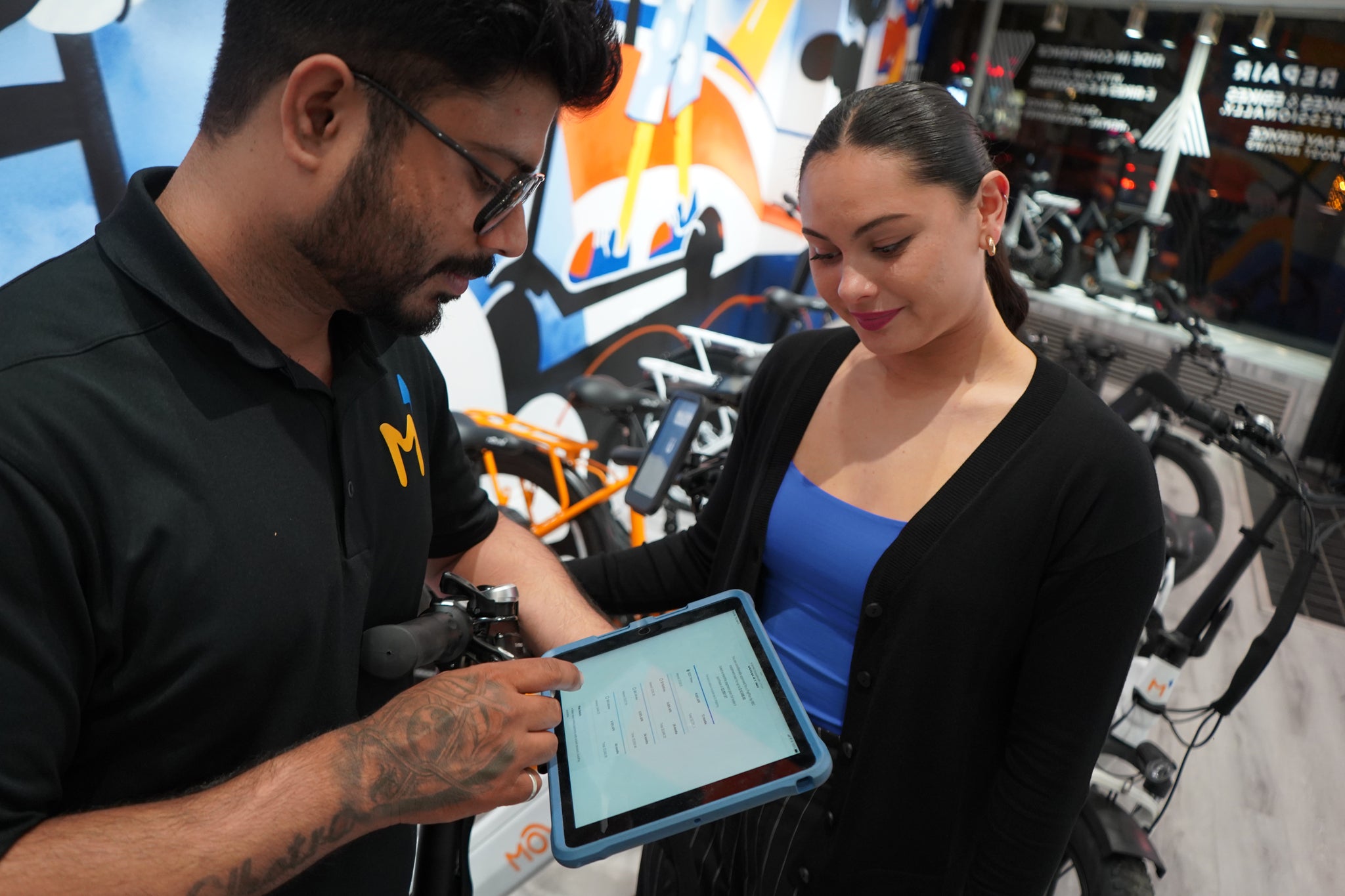
How to choose right Ebike
Choosing the right eBike involves considering several important factors to ensure that it meets your specific needs and preferences. Price matters, but the cheapest bike is not necessarily the cheapest bike to own. Here's a guide to help you make an informed decision:
Determine Your Needs
- Purpose: Are you using the eBike for commuting, food delivery, leisure, long-range riding, or a combination?
- Terrain: Will you ride mostly on Toronto streets, trails, hills, rough roads, or varied terrain?
- Distance: Estimate the typical distance you plan to cover. This will influence the battery size and range you need and can have a major effect on the final e-bike price.
Understand Different Types of eBikes
- Commuter eBikes: Designed for urban environments with practical range, lights, fenders, racks, and comfortable riding positions.
- Mountain eBikes (eMTB): Built for off-road and rugged terrain, usually with stronger suspension and trail-focused components.
- Road and Touring eBikes: Often lighter and designed for efficiency or longer-distance paved riding. Premium drive systems and lightweight materials can raise prices considerably.
- Hybrid eBikes: Combine features of commuter, road, and trail bikes for riders using a mix of surfaces.
- Folding eBikes: Useful for smaller homes, offices, vehicles, and riders combining an e-bike with public transport.
Consider Key Components
- Motor Type: Mid-drive and hub-drive motors feel different and can affect both bike cost and riding characteristics. Choose based on terrain, maintenance expectations, and how you plan to use the bike.
- Battery Capacity: Larger batteries usually offer more range but also add cost and weight. Compare watt-hours and realistic range with the distance you actually ride.
- Frame Material: Aluminum is common because it balances cost, durability, and weight. Carbon fibre can reduce weight but typically raises the price, while steel can offer durability and a different ride feel.
Fit and Comfort
- Frame Size: Make sure the bike fits your height and riding position. Most brands provide sizing guidance.
- Adjustability: Look for adjustable seat height and handlebar positioning, especially if the bike will be used for long commutes or delivery shifts.
- Suspension: Good suspension can improve comfort on potholes, rough roads, and uneven trails, but higher-end suspension can also increase price.
Gearing System
- Choose a gearing system based on your terrain and riding style. More gears can provide flexibility for hills, carrying cargo, and riding without motor assistance.
Tires
- The tire type should match your primary riding surface. Wider tires can provide more stability and traction, while narrower commuter tires are often lighter and more efficient on paved roads.
Brakes
- Disc brakes (mechanical or hydraulic) are common on e-bikes. Hydraulic brakes generally provide strong, consistent braking with less hand effort, particularly useful for heavier bikes and frequent city riding.
Budget
- Set a realistic budget based on the type of riding you plan to do. Instead of looking only at purchase price, include battery capacity, accessories, maintenance, replacement parts, warranty, financing cost, and expected years of use.
Test Ride
- If possible, test ride different models. This is one of the best ways to compare comfort, motor response, braking, fit, weight, and whether a more expensive model actually feels worth the additional cost to you.
Brand Reputation and Warranty
- Choose a reputable brand and check the warranty before purchasing. Local service, parts availability, battery support, and after-sales help can make a meaningful difference to long-term ownership cost.
Local Laws and Regulations
- Be aware of the local laws regarding eBikes, as requirements can vary by province, municipality, bike type, motor power, and speed. Check current Ontario and Toronto rules for the exact e-bike you plan to ride.
Reviews and Recommendations
- Read reviews and seek recommendations from current e-bike users, especially for insights on battery performance, reliability, comfort, service, and long-term ownership.
Taking the time to compare price, battery range, components, fit, financing, service, and how you actually plan to ride will help you choose an eBike that is better suited to your needs. For current Movin pricing, you can compare the complete lineup in the electric bike collection.